
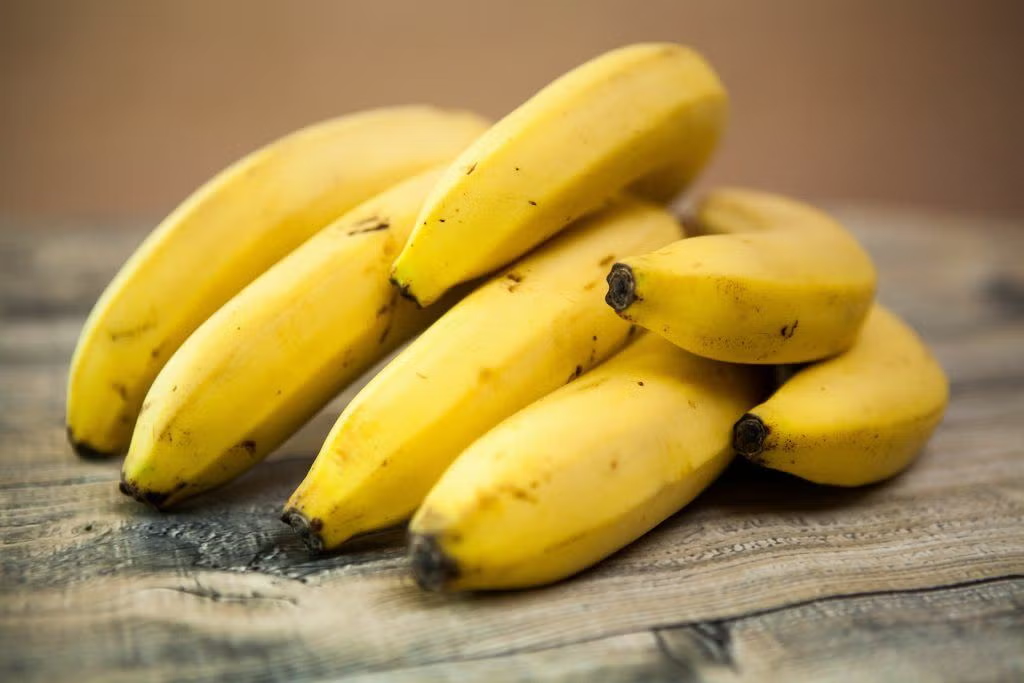
Banana flour benefits are many. The global bakery industry is undergoing a significant transformation as consumer demand for health-conscious and allergen-friendly ingredients surges. For bakers and food manufacturers, sourcing high-quality, functional alternatives to traditional wheat flour is no longer just a trend. It is a necessity to remain competitive. Among the various innovations in the market, green banana flour has emerged as a powerhouse ingredient, offering unique nutritional and functional advantages.
Read More: 4 Reasons Why Global Food Manufacturers are Switching to Banana Flour Supplier Indonesia
In this article, we explore five key banana flour benefits that are revolutionizing the gluten-free bakery industry, while addressing critical health considerations such as celiac disease and diabetes mellitus, and highlighting the importance of the banana flour manufacturing process.
1. A Superior Alternative for Celiac Disease Management
One of the primary drivers for the popularity of banana flour is its inherent gluten-free nature. For individuals suffering from celiac disease, an autoimmune disorder where the ingestion of gluten leads to damage in the small intestine, safe, high-quality alternatives are essential.
Unlike some gluten-free blends that rely heavily on starches like potato or tapioca, which can spike blood sugar, banana flour provides a nutrient-dense base. It allows bakers to produce breads, cookies, and pastries that are safe for those with gluten sensitivities without sacrificing the structural integrity of the final product. By incorporating banana flour, artisanal bakeries can position themselves as trusted providers for the growing celiac community.
2. Low Glycemic Index and Diabetes Mellitus Support
Managing blood sugar levels is a global health priority. And the bakery industry is under pressure to create products that do not contribute to metabolic issues like diabetes mellitus. Green banana flour is rich in resistant starch, a type of carbohydrate that resists digestion in the small intestine and ferments in the large intestine.
Because it does not break down into glucose as quickly as refined wheat or corn flour, it results in a much lower glycemic response. Bakers can utilize this to develop “diabetic-friendly” product lines. Which offering customers the ability to enjoy bakery staples like pancakes or muffins without the traditional associated glucose spikes. This functional benefit positions banana flour as an essential ingredient for the future of healthy baking.
Read More:3 Plus of Banana Flour Factory Indonesia for Bakery Industries
3. High Resistant Starch Content for Gut Health
The banana flour benefits extend far beyond just being an alternative ingredient; it acts as a functional prebiotic. The high resistant starch content found in green banana flour feeds beneficial gut bacteria, promoting better digestive health.
In a world where gut-brain axis health is becoming common knowledge among consumers. Bakery products that claim to support “digestive wellness” carry a premium market value. By replacing a portion of traditional flour with banana flour, manufacturers can enhance the nutritional profile of their goods. Making them appealing to health-conscious consumers who prioritize their microbiome.
Read More: 10 Reasons Why Global Gluten-Free Bakeries are Switching to Banana Flour Indonesia
4. Texture and Functionality in the Manufacturing Process
For professional bakers, the banana flour manufacturing process is a critical factor in how the ingredient performs in the kitchen. When green bananas are harvested and processed under controlled conditions—typically involving peeling, slicing, drying, and milling—the resulting flour maintains a neutral flavor profile and an excellent binding capacity.
This ease of use is a major benefit. It reduces the need for heavy additives or gums (like xanthan gum) that are often required in other gluten-free recipes. The flour’s ability to mimic the viscosity of wheat flour allows for a smoother banana flour manufacturing process in industrial settings, ensuring that large-scale bakery production lines can maintain consistency in dough texture and crumb structure.
5. Nutrient Density: Beyond “Empty Calories”
Traditional refined flours are often stripped of nutrients during processing. In contrast, banana flour is a treasure trove of essential minerals, particularly potassium, magnesium, and vitamin B6.
By integrating banana flour, the bakery industry can pivot away from “empty calories” and offer products that provide tangible nutritional value. Whether it is a high-protein cookie or a fiber-rich sourdough loaf, the addition of banana flour fortifies the final product. This nutrient density is a compelling selling point for consumers looking for “clean label” products that offer more than just flavor.
6. Rich in Resistant Starch for Digestive Health
Beyond baking performance, green banana flour offers exceptional health perks. It is packed with natural prebiotic resistant starch, which feeds good gut bacteria, promotes digestive health, and helps regulate blood sugar levels, making it a functional ingredient health-conscious consumers look for.
7. Neutral Taste Profile That Elevates Artisan Recipes
Unlike other alternative flours (such as heavy coconut or strong chickpea flour), green banana flour features a mild, neutral taste when baked. It seamlessly blends into sweet and savory gluten-free bakery items without overpowering the primary flavors of chocolate, vanilla, or spices.
8. Direct Sourcing from Trusted Indonesian Producers
When scaling a commercial bakery or retail brand, supply chain reliability is paramount. Sourcing directly from a dedicated banana flour factory indonesia ensures complete traceability from farm to finished product. As an established banana flour supplier indonesia, production hubs located in regions like banana flour ngawi leverage rich local agricultural resources to maintain consistent, year-round harvest availability.
9. Cost-Effective Substitution Ratio in Commercial Production
Because raw green banana flour has a high starch density, bakers often use less of it compared to standard wheat flour or other gluten-free blends (typically a 3:4 substitution ratio). This economic efficiency makes it a smart choice for industrial bakeries looking to optimize ingredient costs without sacrificing quality.
10. Supporting Sustainable Agro-Forestry in Indonesia
Choosing high-grade banana flour indonesia products directly contributes to local agricultural sustainability. By converting surplus green bananas into shelf-stable flour, producers minimize food waste at the farm level while empowering rural farming communities in processing hubs across East Java.
Conclusion: The Future of Bakery Innovation
The transition to plant-based, nutrient-dense ingredients is permanent. Banana flour benefits provide a multi-faceted solution for the bakery industry: it caters to those with celiac disease, offers a safe option for those managing diabetes mellitus, and provides superior functionality due to an optimized banana flour manufacturing process.
For businesses looking to lead the market, the adoption of banana flour is not just an alternative. It is an upgrade. By embracing this superfood, the bakery industry can continue to evolve, providing products that are as healthy as they are delicious.
Secure Your Supply Today, Make an Inquiry here
At CV. SPL JAYA, our production adheres strictly to international food safety benchmarks, bridging the gap between local farming excellence and global industrial standards. We are fully equipped for secure wholesale export abroad.
The shift toward functional, clean-label ingredients is not a trend—it is the new industry standard. By choosing to source wholesale banana flour from Indonesia, you are choosing an ingredient that offers superior functionality, ethical credentials, and industrial scalability.
Contact Us Today for a Wholesale Inquiry and Competitive Pricing
Leave a Reply