
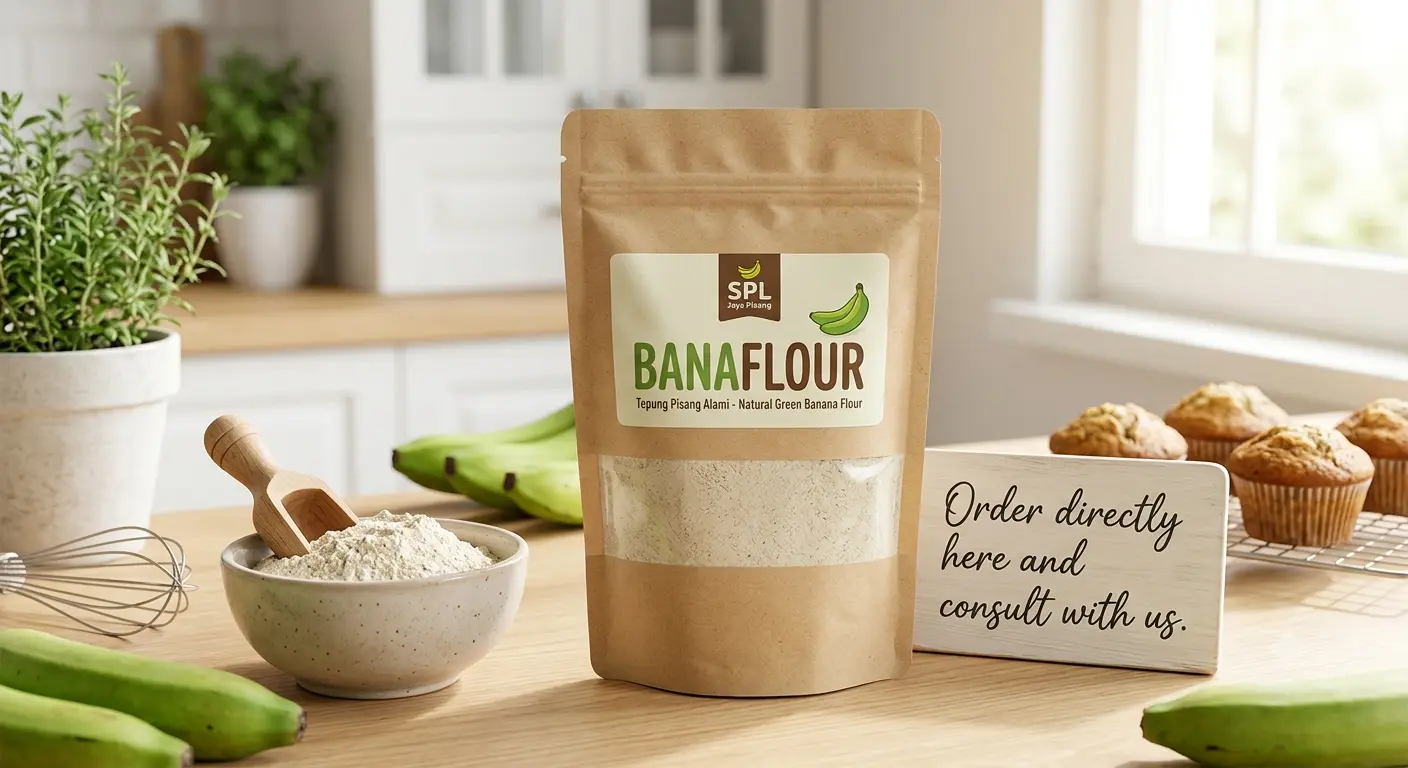
Living with an autoimmune condition requires a radical shift in how we perceive food. For individuals diagnosed with celiac disease, a microscopic speck of gluten can trigger a severe immune response, damaging the small intestine and leading to chronic malabsorption, fatigue, and systemic inflammation. For decades, navigating grocery aisles has been a stressful endeavor for those dealing with this specific celiac problem. Fortunately, the culinary world has witnessed a functional food revolution, and leading the charge is an unassuming tropical powerhouse: banana flour (tepung pisang).
Read More: Apa Itu Gluten: Lem Ajaib di Balik Roti dan 3 Kontroversinya
As awareness grows around digestive wellness, the search for a truly nutritious, gluten free alternative to traditional grains has intensified. This is where banana flour steps in—not just as a temporary substitute, but as a superior, health-boosting solution that addresses the needs of celiac patients and individuals managing metabolic conditions like diabetes.
Visit and order our banana flour product here
Understanding the Celiac Problem and the Gluten Threat
To understand why banana flour is causing such a stir in the health food industry, one must first look at the mechanics of celiac disease. Celiac disease is an inherited autoimmune disorder where the ingestion of gluten—a protein found in wheat, barley, and rye—leads to damage in the villi of the small intestine. When these finger-like projections are destroyed, the body cannot absorb nutrients properly, leading to malnutrition, bone density loss, neurological symptoms, and severe digestive distress.
For generations, westernized diets have relied heavily on wheat-based products. However, for a celiac patient, the standard diet is essentially toxic. This brings us to a critical, frequently asked question in dietary health:
Is Wheat Flour Safe?
For anyone diagnosed with celiac disease, non-celiac gluten sensitivity, or severe wheat allergies, the answer to “is wheat flour save?“ is a definitive no.
Traditional wheat flour (tepung terigu) is the primary source of dietary gluten. Even modern food processing techniques cannot alter the protein structure of wheat enough to make it safe for a celiac gut. In fact, cross-contamination in factories that process wheat often ruins otherwise safe foods. Therefore, tepung terigu must be completely eliminated from a celiac-safe kitchen.
The Head-to-Head Battle: Wheat Flour vs Banana Flour
When planning a strict gluten-free diet, it helps to look at the direct comparison of structural and nutritional profiles: tepung terigu vs tepung pisang.
| Attribute | Wheat Flour (Tepung Terigu) | Banana Flour (Tepung Pisang) |
| Gluten Content | High (Triggers Celiac Reaction) | Completely Gluten Free |
| Primary Carbohydrate | Simple Starches / Rapid Digestion | Resistant Starch (Prebiotic) |
| Glycemic Index (GI) | High | Low to Medium |
| Nutrient Density | Low (Unless Artificially Enriched) | High (Potassium, Magnesium, Vitamin B6) |
While wheat flour provides elasticity to baked goods due to its gluten content, it offers very little in terms of gut protection. On the flip side, green banana flour is made from unripe bananas before their starch converts into simple sugars. This unique manufacturing process yields a flour that is dense, earthy, and extraordinarily gentle on a compromised digestive tract.
Why Banana Flour is a Lifesaver for Celiac Patients
Transitioning to a gluten free lifestyle can often leave people feeling depleted. Many commercial gluten-free alternatives rely heavily on refined rice flour, cornstarch, or potato starch, which are stripped of fiber and nutrients. Banana flour (tepung pisang) breaks this cycle by offering distinct therapeutic benefits:
1. High Concentration of Resistant Starch
Green banana flour is one of the world’s richest sources of Type 2 Resistant Starch (RS2). Unlike regular carbohydrates, resistant starch resists digestion in the small intestine. It travels straight to the large intestine, where it acts as a powerful prebiotic, feeding the beneficial bacteria (probiotics) in your gut. For someone recovering from a celiac problem, this fermentation process produces short-chain fatty acids (SCFAs) like butyrate, which actively heal the intestinal lining and reduce localized inflammation.
2. Naturally Free from Cross-Contamination
Because bananas are a fruit grown on trees rather than a grain harvested from fields, the risk of agricultural cross-contamination with wheat, barley, or rye is virtually nonexistent. This provides absolute peace of mind for sensitive individuals.
3. Rich in Essential Mineral Profiles
Chronic malabsorption caused by celiac disease frequently leads to deficiencies in potassium, magnesium, and iron. Banana flour naturally replenishes these minerals, helping to regulate blood pressure, support muscle recovery, and combat the chronic fatigue often reported by celiac sufferers.
The Double Benefit: Managing Diabetes with Banana Flour
The benefits of this tropical superfood extend far beyond celiac management. There is a worrying trend where individuals shifting to a gluten-free diet inadvertently spike their blood sugar levels due to the high glycemic index of common alternative starches. This poses a major risk for anyone balancing celiac disease alongside diabetes.
Fortunately, banana flour excels in glycemic control. Because it is packed with resistant starch, it does not cause rapid spikes in blood glucose. Instead, it slows down the release of sugar into the bloodstream, improving insulin sensitivity over time.
Studies have shown that incorporating green banana flour into daily meals can lower fasting blood sugar levels and provide sustained energy, making it an ideal culinary asset for diabetic meal planning. It allows individuals to enjoy baked goods, thick smoothies, and savory sauces without compromising their metabolic health.
How to Use Banana Flour in Your Daily Kitchen
Using banana flour is incredibly straightforward, though it does require a slight adjustment due to its high starch density.
- Baking Substitute: Because it is more absorbent than wheat flour, you generally need 25% less banana flour when replacing tepung terigu in recipes. If a recipe calls for 1 cup of wheat flour, use only 3/4 cup of banana flour.
- Thickening Agent: It has a mild, slightly nutty flavor that completely disappears when cooked, making it an excellent, gluten-free thickener for soups, gravies, and stews.
- Raw Wellness Boost: To maximize the benefits of its resistant starch for gut healing or blood sugar management, add 1 to 2 tablespoons of raw banana flour directly into your morning smoothies, oatmeal, or yogurt bowls.
Conclusion: Make the Switch to Optimal Gut Health
Navigating the complexities of a celiac problem or managing diabetes shouldn’t mean sacrificing the joy of eating or settling for nutrient-empty food alternatives. When comparing tepung terigu vs tepung pisang, the choice is clear: traditional wheat flour poses a direct threat to your gut health, while green banana flour offers a path to genuine restoration, stable energy, and vibrant well-being. It is the ultimate, naturally gluten free superfood your kitchen deserves.
If you are ready to transform your dietary health with premium-grade, unadulterated banana flour, look no further than Banaflour by Agrobana Food Indonesia. Sourced from high-quality, sustainably harvested green bananas, our flour is meticulously processed to preserve maximum resistant starch and vital nutrients.
Take control of your digestive health today. You can order directly here and consult with us to find the perfect wellness solutions tailored to your dietary journey.
Leave a Reply